
Kitchen and Baths- Hold the Toxins!
When we dream about renovating our kitchens and bathrooms, the first things we think about are overall vibes and functionality. Both crucial to a successful design. But many of us are also looking to minimize toxins in our environments; so, how does that relate to design choices?
Kitchens
Make sure you have adequate ventilation. Using a gas stove without venting to the outside is dangerous and in some states, it is a code violation. Pollutants like benzene and nitrogen dioxide will hang in the air for you and your family to breathe. A make up air system that removes them and brings in fresh air is the way to go.
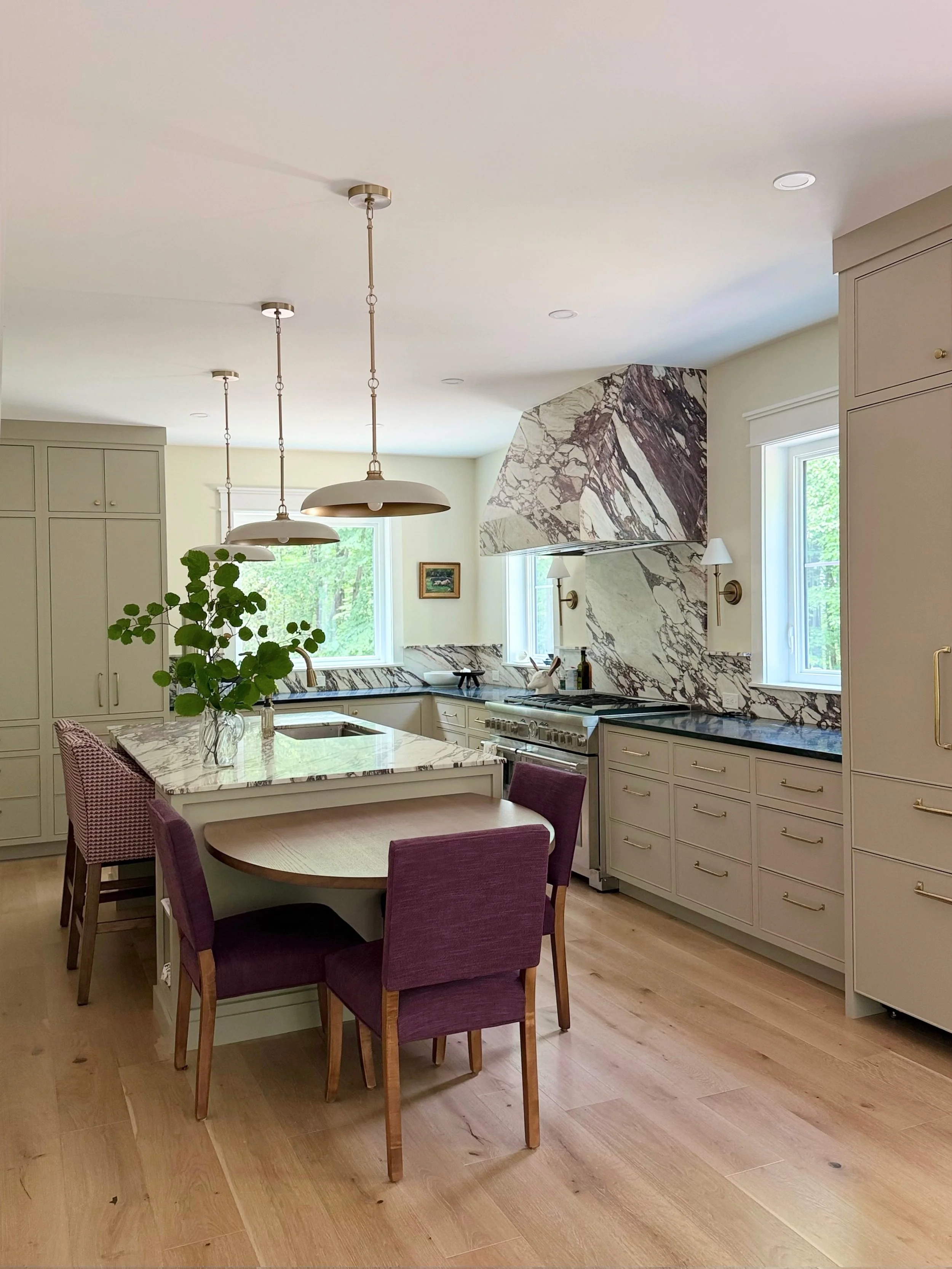
Source cabinets that do not have MDF as a component. MDF is in almost every furniture item we bring into our homes these days. But careful sourcing will ensure you minimize the amount of harmful off-gassing from MDF. Choose all wood cabinets or ask your custom cabinet maker to prime any MDF parts with a shellac based primer, which will block the emissions.
Quartz counters contain silica which is mostly a problem for fabricators and not homeowners. Be sure to vacuum and dust carefully after installation if they are drilling holes on site.
Granite can off gas radon, but as long as you have adequate ventilation, this shouldn't be a problem.
Dishwashers can harbor mold (which is why we don't have one). Proper weekly cleaning of the filter and filter basin each week will help prevent it. If you can't manage weekly, set a reminder for a once a month clean out. That filter can get pretty gross, fast!
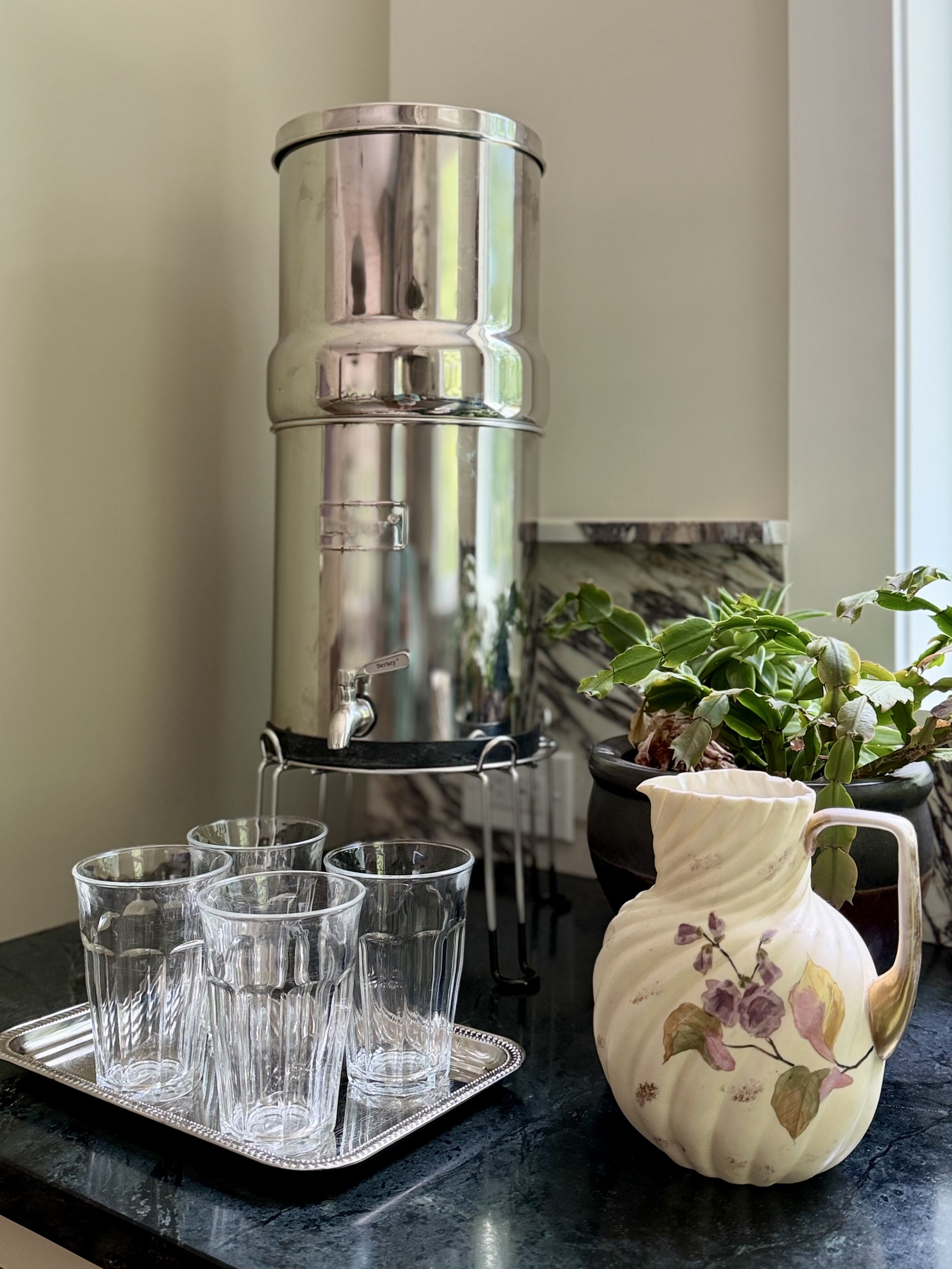
Water! Most city water, while generally safe, has harmful PFAS and other contaminants. Here's a tool to check your local water: https://www.ewg.org/tapwater/. We use a Berkey filter that is one of the only filters that will remove PFAS (forever chemicals) from your drinking water.
Bathrooms
Ask your contractor what types of materials they are using behind the tiles. Often, the glues and backer used can have chemicals you don't want, that can off-gas for some time. Having a discussion about what is being installed can help you understand the risks.
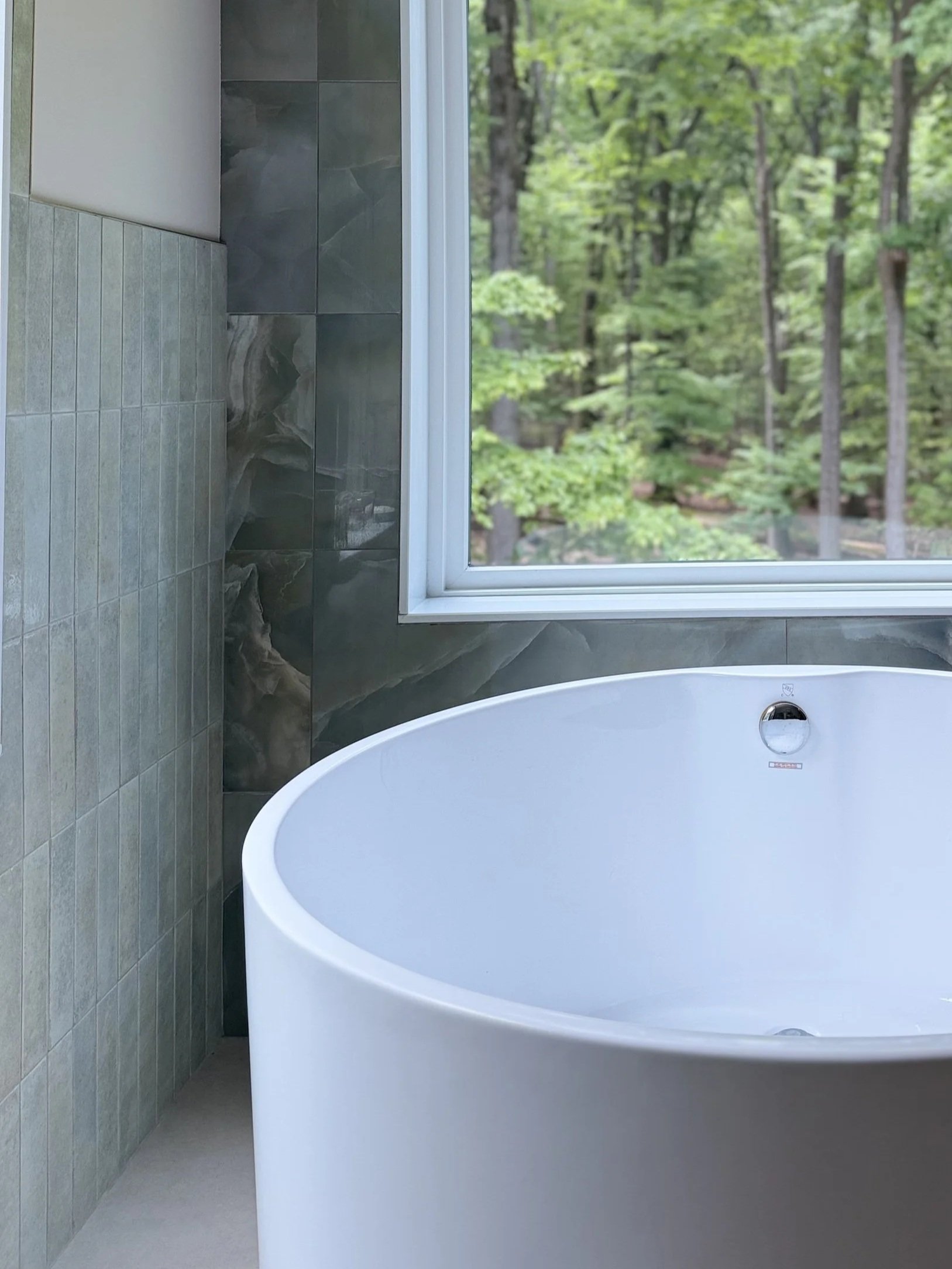
Keep things ventilated during installation and make sure any dust from cutting tiles is contained and removed. Turning off your HVAC or taping off vents will help keep the rest of your home clean. Many tiles contain chemicals you don't want floating around in the air you breathe.
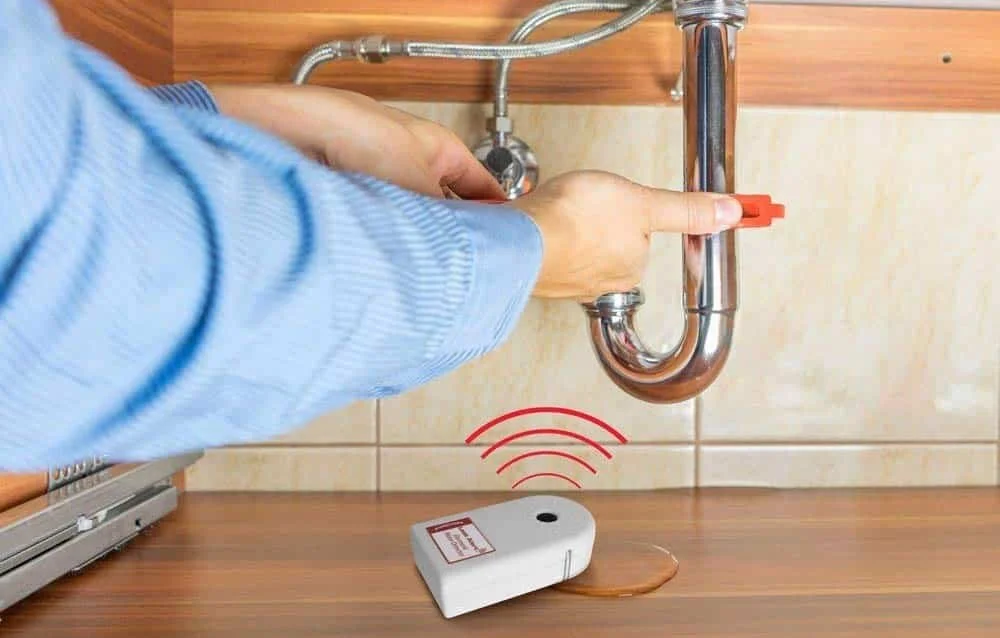
image via tentopproduct.com
Water detection alarms under your sinks are crucial to preventing a mold problem. Just because you are installing new plumbing, doesn't mean it won't leak. Having an alarm will alert you to water issues before they become a major mold and water damage issue.
Kitchens and bathroom renovations are so exciting and the transformations super satisfying! Having a plan for the not sexy part of preventing mold and toxic exposure will keep you healthy and give you peace of mind to focus on the fun stuff!